
Contents
Overview
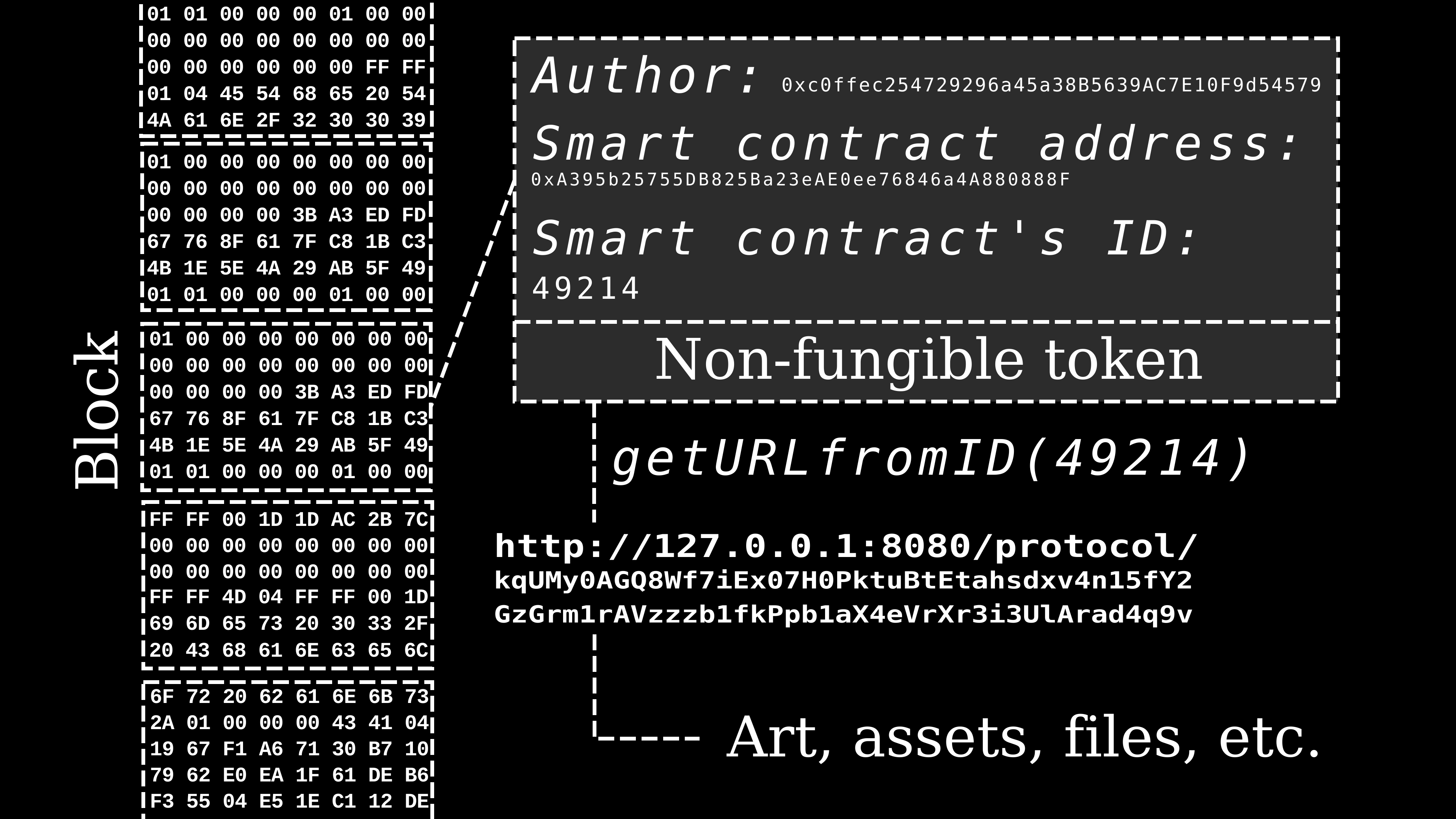
An NFT, or non-fungible token, is a unique digital identifier recorded on a blockchain that certifies ownership and authenticity of digital assets, such as artworks, photos, videos, and audio, differing from cryptocurrencies in their unique identifiability and inability to be copied, substituted, or subdivided. NFTs use smart contracts, which are self-executing contracts with the terms of the agreement written directly into lines of code. The use of smart contracts has been influenced by the development of Solidity, a programming language used for creating smart contracts on the Ethereum blockchain.
📖 Definition & Core Concept
An NFT is a unique digital identifier that is recorded on a blockchain, such as Ethereum or Polygon, and is used to certify ownership and authenticity of digital assets. This unique identifiability is what sets NFTs apart from cryptocurrencies, which are fungible and can be copied, substituted, or subdivided.
🔬 How It Works (Mechanics)
The mechanics of NFTs involve the use of smart contracts, which are self-executing contracts with the terms of the agreement written directly into lines of code. These smart contracts are stored on a blockchain and can be used to transfer ownership of an NFT, allowing them to be sold and traded on platforms like NFT Marketplace. The use of smart contracts has been influenced by the development of Solidity, a programming language used for creating smart contracts on the Ethereum blockchain.
📊 Key Facts, Numbers & Statistics
NFTs can be used for a wide range of digital assets, including artworks, collectibles, and in-game items. However, the current state of the NFT market is uncertain, and its future outlook is unclear.
🌍 Real-World Examples & Use Cases
Real-world examples of NFTs include digital artworks and collectibles. Additionally, NFTs are being used in various industries, including the music industry, with artists creating and selling NFTs of their music and artwork.
📈 History & Evolution
The history of NFTs is complex, and their development has been influenced by the growth of blockchain technology and the rise of cryptocurrencies.
⚡ Current State & Latest Developments
The current state of the NFT market is one of uncertainty. However, NFTs continue to be used in various industries, and their potential applications are being explored.
🔮 Why It Matters & Future Outlook
The future outlook for NFTs is uncertain, but some experts predict that they will continue to play a significant role in the world of digital art and collectibles. Others argue that they are a fad and will eventually fade away.
🤔 Common Misconceptions
Common misconceptions about NFTs include the idea that they are only used for digital art, when in fact they can be used for a wide range of digital assets, including collectibles, in-game items, and even real-world assets like real estate.
Key Facts
- Origin
- Blockchain technology
- Category
- handcrafted-dolls
- Type
- concept
- Format
- what-is
Frequently Asked Questions
What is an NFT?
An NFT, or non-fungible token, is a unique digital identifier recorded on a blockchain that certifies ownership and authenticity of digital assets.
How do NFTs work?
NFTs use smart contracts, which are self-executing contracts with the terms of the agreement written directly into lines of code. These smart contracts are stored on a blockchain and can be used to transfer ownership of an NFT, allowing them to be sold and traded on platforms like NFT Marketplace.
What is the current state of the NFT market?
The current state of the NFT market is one of uncertainty.
What are some common misconceptions about NFTs?
Common misconceptions about NFTs include the idea that they are only used for digital art, when in fact they can be used for a wide range of digital assets, including collectibles, in-game items, and even real-world assets like real estate.
What is the future outlook for NFTs?
The future outlook for NFTs is uncertain, but some experts predict that they will continue to play a significant role in the world of digital art and collectibles. Others argue that they are a fad and will eventually fade away.
How do NFTs relate to blockchain technology?
NFTs are recorded on a blockchain, which is a decentralized and distributed ledger that records transactions across a network of computers. This allows for the creation of a permanent and unalterable record of ownership and authenticity, making NFTs a unique and valuable asset.
What are some examples of NFTs in use?
Examples of NFTs in use include digital artworks and collectibles. Additionally, NFTs are being used in various industries, including the music industry, with artists creating and selling NFTs of their music and artwork.
How do NFTs impact the environment?
The environmental impact of NFTs is a topic of debate, with some arguing that the energy consumption required to create and trade NFTs is excessive and contributes to climate change. However, others argue that the use of blockchain technology and NFTs can actually help reduce waste and increase efficiency in industries like supply chain management.