
Contents
- 📋 Prerequisites & What You Need
- 🔧 Step 1: Choose the Right Shelf Support
- ⚙️ Step 2: Prepare Your Wall
- 🎯 Step 3: Mark the Wall for Shelf Support Installation
- ✅ Step 4: Install Shelf Supports
- 🚀 Step 5: Hang Your Shelf
- ⚠️ Common Mistakes & How to Avoid Them
- 💡 Pro Tips & Advanced Techniques
- Frequently Asked Questions
- References
- Related Topics
Overview
This guide will walk you through the process of preparing your wall, choosing the right shelf support, and securely installing your shelf. With these steps, you can ensure your shelf is level, sturdy, and able to hold the weight you need it to. Whether you're a seasoned DIY enthusiast or a beginner, this guide will provide you with the confidence to hang a shelf like a professional. By the end of this guide, you'll have a beautifully installed shelf that will enhance the aesthetic and functionality of your space, similar to those found in IKEA or West Elm stores.
📋 Prerequisites & What You Need
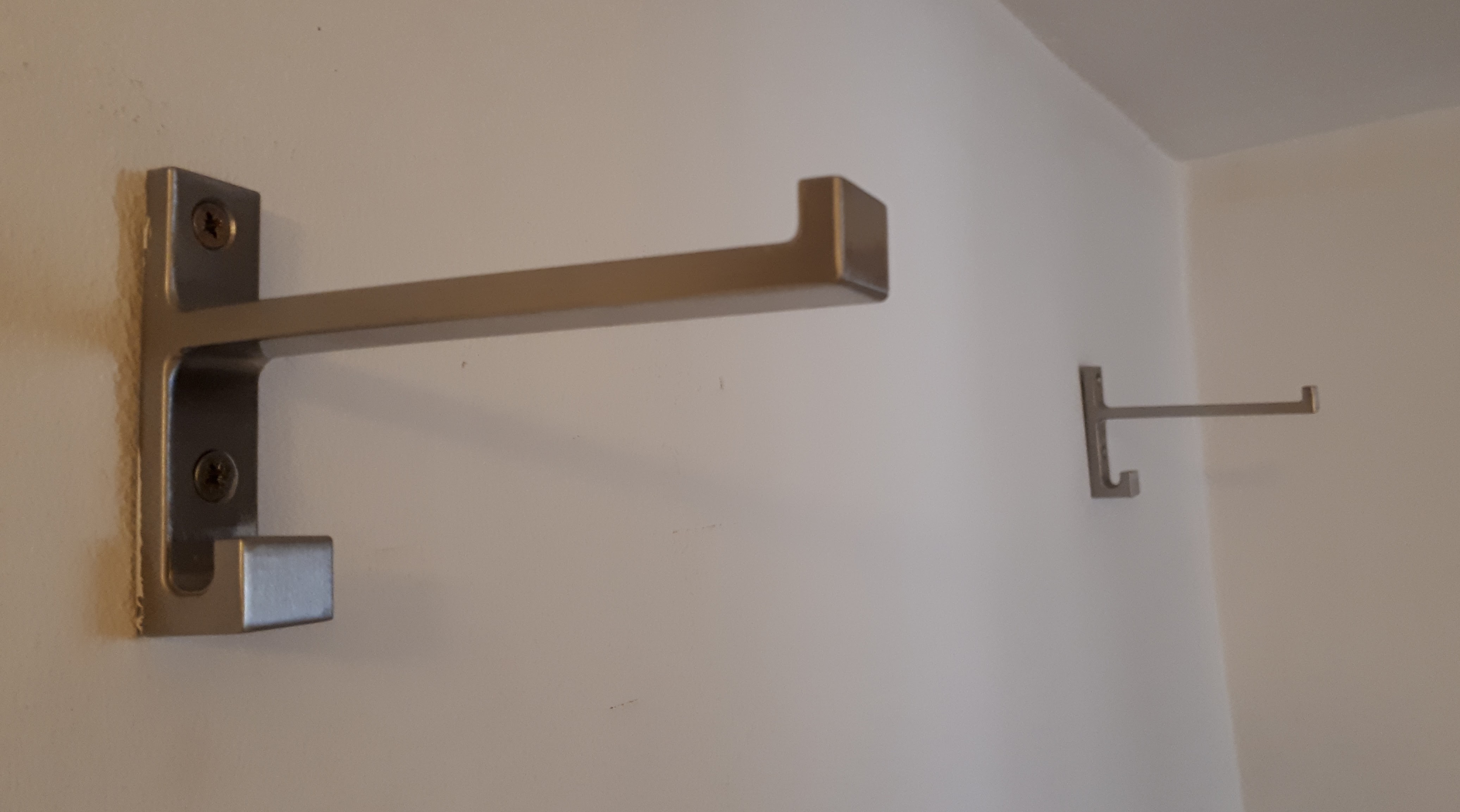
For added stability, you can use L-shaped shelf supports or hidden brackets. Wall anchors are necessary for plaster or drywall to ensure screws have something to grip, as seen in Lowe's or Home Depot stores.
🔧 Step 1: Choose the Right Shelf Support
There are many types of shelf supports available, including shelf pins, shelf support pegs, and cabinet shelf supports. Consider the weight your shelf will hold and the type of wall you're working with when making your decision. For instance, if you're installing a shelf in a wardrobe or cabinet, you may want to use a plug-in shelf support for easy adjustment and removal, similar to those used in IKEA furniture.
⚙️ Step 2: Prepare Your Wall
Next, you'll need to prepare your wall for shelf installation. This includes locating the studs in your wall using a stud finder and marking their location with a pencil. It's also a good idea to check for any electrical wires or plumbing behind your wall before you start drilling. You can use a wire detector to scan the area and avoid any potential hazards.
🎯 Step 3: Mark the Wall for Shelf Support Installation
With your wall prepared, it's time to mark the location where you'll install your shelf supports. Use a level to ensure your marks are straight and a pencil to mark the spot where you'll drill your holes. Make sure to take into account the width of your shelf and the type of shelf support you're using. For example, if you're using a floating shelf, you'll want to mark the wall at the point where the shelf will sit, taking into account the thickness of the shelf and the type of wall anchor you're using, as shown in YouTube tutorials.
✅ Step 4: Install Shelf Supports
Now it's time to install your shelf supports. Drill holes in the wall at the marks you made in the previous step and insert your wall anchors. Then, screw your shelf supports into place, making sure they're level and securely attached to the wall. If you're using a hidden bracket, you'll need to attach it to the shelf first, then hang the shelf on the wall. This type of bracket provides a clean and sleek look, but requires more planning and precision during installation, as seen in Pottery Barn and other home decor stores.
🚀 Step 5: Hang Your Shelf
With your shelf supports in place, it's time to hang your shelf. Simply place the shelf on top of the supports and screw it into place. Make sure your shelf is level and securely attached to the wall. If you're using a adjustable shelf, you may need to adjust the height of the shelf supports to get the perfect fit. You can also add decorative trim to the edges of the shelf for a finished look, similar to those used in Restoration Hardware stores.
⚠️ Common Mistakes & How to Avoid Them
One of the most common mistakes people make when hanging a shelf is not using the right type of shelf support for the weight their shelf will hold. To avoid this, make sure to choose a shelf support that is rated for the weight your shelf will hold. You can check the weight capacity of your shelf support by looking for the weight capacity label or by consulting the manufacturer's instructions, as recommended by Consumer Reports.
💡 Pro Tips & Advanced Techniques
Using a pre-drilled shelf or a shelf kit can save time and money. A French cleat system provides a strong and adjustable way to hang heavy shelves. Reclaimed wood shelves can add a unique and rustic touch to your space, as seen in HGTV and other home decor shows.
Section 9
For a more advanced shelf-hanging technique, consider using a hidden bracket system. This type of system provides a clean and sleek look, but requires more planning and precision during installation. You can also use a decorative bracket to add a touch of style to your shelf. Another option is to use a reclaimed wood shelf, which can add a unique and rustic touch to your space.
Key Facts
- Year
- 2020
- Origin
- United States
- Category
- handcrafted-dolls
- Type
- concept
- Format
- how-to
Frequently Asked Questions
What type of shelf support should I use for a heavy shelf?
For a heavy shelf, you should use a shelf support that is rated for the weight your shelf will hold. Consider using an L-shaped bracket or a hidden bracket for added stability. You can also use a French cleat system, which provides a strong and adjustable way to hang heavy shelves. Make sure to check the weight capacity of your shelf support by looking for the weight capacity label or by consulting the manufacturer's instructions, as recommended by Consumer Reports.
How do I avoid common mistakes when hanging a shelf?
To avoid common mistakes when hanging a shelf, make sure to choose the right type of shelf support for the weight your shelf will hold and use wall anchors in plaster or drywall. You should also use a level to ensure your shelf is straight and a stud finder to locate the studs in your wall. Consider using a shelf kit that includes all the necessary hardware and instructions to make the process easier and more efficient. Additionally, you can watch tutorials on YouTube or consult with a professional if you're unsure about any part of the process.
What is the best way to hang a shelf on a plaster wall?
The best way to hang a shelf on a plaster wall is to use a wall anchor specifically designed for plaster walls. You can use a Molly bolt